
The construction industry is moving faster today in comparison to yesterday. Demand for heavy equipment has surged globally. Due to the launch of many mega infrastructure projects. The introduction of smart cities and logistics expansion gives it a further push. In fact, the construction equipment rental market is projected to generate over 159 billion dollars in revenue in 2026.
This reflects a massive shift from ownership to access. Contractors today are no longer asking, “Should we rent?” But they’re asking, “How do we rent smarter?”
It’s impressive to see how the shift changes the mindset of modern employers. But making the equipment choice is not an easy one. Getting the heavy machinery for rent is not only about availability. But you need to think about how cost-efficient your rental machine is. Is it compliant with regulations? Does it match the latest technology? Can I get it at the desired time?
Therefore, the decision of the right heavy machinery selection needs keen attention to detail. Make the right decision, and your project accelerates. Make the wrong one, and delays, cost overruns, and safety risks follow!
Why Does Heavy Machinery Rental Keep Growing?
Heavy equipment rental is booming. And it is not by accident but a choice. According to industry reports:
“Construction growth combined with rising equipment costs has pushed businesses toward renting as a strategic choice.”
Construction is expected to grow by 7.5 percent in 2026 in the UAE region. The growth is fueled by urban expansion and sustainability projects. At the same time, surveys show that up to 85 percent of contractors prefer renting over buying due to flexibility and reduced capital investment.
But why is this happening?
Purchasing machinery is a burden that depreciates with time. Your money gets stuck when you buy heavy equipment. Renting is free from these headaches. That’s why firms are adapting it more as they find it beneficial.
Renting also gives companies access to the latest machinery with telematics. This greatly improves efficiency by up to 30 percent through real-time tracking and predictive maintenance.
Rent vs. Buy: The Core Decision
Deciding between the two is not that hard. Let’s find out which one is best and why.
Buying equipment requires high upfront capital. But the story doesn’t end here. The machinery needs time-to-time maintenance, which has some cost to bear. A space is required where you can store the machine; that too invites a cost, called a storage cost. Your machinery gets depreciated after some time, which means you have to meet its depreciation cost. Renting, on the other hand, converts fixed costs into variable costs.
Buying is preferred if → You have long-term, consistent usage.
Rent works well if → Your projects vary or are short-term.
Today, most companies are picking rental options for agility and scalability.
Who Should Rent Heavy Equipment?
Heavy machinery rental is ideal for construction contractors handling short-term projects. Rented machinery is the best choice for logistics and warehouse operators. You can use heavy equipment for infrastructure and government contractors.
Moreover, the option is great for those small to mid-sized companies that avoid capital lock-in. Renting is preferable for businesses testing new equipment before buying.
Steps to Pick the Right Heavy Machinery for Rent:
This is where the most costly mistakes happen. However, making smart decisions saves thousands.
Step 1 —> Define Your Project Requirements:
Start with clarity and ask the relevant questions. What’s the project scope? What terrain will you work on? What is the timeline?
For example:
A road project demands different machinery than a high-rise construction site. Equipment selection without defining needs leads to overspending or inefficiency.
Step 2 —> Match Equipment Type to the Job:
An overview of the most commonly rented machinery and their use cases:
- Excavators — digging, trenching, demolition
- Bulldozers — site clearing, grading
- Cranes — heavy lifting, structural work
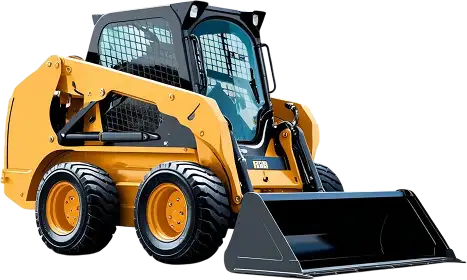
- Skid Steers—tight-space material handling
- Compactors — soil and asphalt compaction
- Forklifts — material movement on flat terrain
- Aerial / Scissor Lifts—elevated access work
The wrong type selection is one of the biggest reasons projects slow down.
How to Choose the Right Size?
Size matters more than most people realize. Small machines give better maneuverability and have a lower cost. Whereas large machines provide higher output and faster completion.
Balance productivity with site limitations. Do not go for oversized equipment. It increases cost and risk. Similarly, undersized equipment is also a disaster; it slows progress.
Step 3 —> Check Equipment Condition & Technology:
Renting in 2026 is not only about machines. But it is also about smart machines. You should look for machinery with telematics (GPS tracking, usage reports), maintenance history, safety certifications, and fuel efficiency. Modern telematics can reduce downtime by 20 to 30 percent. It prevents costly breakdowns, too.
Step 4 —> Calculate Your Rental Duration:
Underestimating time leads to rushed extensions at higher rates. Therefore, plan ahead to avoid it. You should plan a project timeline and buffer for delays and seasonal disruptions. Often, weekly or monthly rentals reduce costs by 20 to 40 percent compared to daily rates.
Step 5 —> Verify Operator Qualifications & Training:
Even the best equipment fails in untrained hands. Make sure that your operators are licensed. Assure that their safety training is completed and that they comply with local regulations. Poor operation increases accident risks. It also damages expensive equipment.
Step 6 —> Book in Advance in Peak Season:
Demand spikes during the pre-summer construction season, large infrastructure rollouts, and post-holiday project launches. Therefore, it’s always best to book faster than regret. Booking early ensures availability, and this way you’ll get better pricing. Last-minute rentals often cost more.

Benefits of Renting Heavy Equipment:
Out of so many, we’ve explored a few benefits of renting heavy equipment:
Financial Benefits:
Financial perks come as the number one benefit that convinces every firm to think about renting rather than buying. There’s no upfront capital investment involved when you rent. No maintenance or storage costs required on rental deals. You only have to manage predictable operational expenses.
Operational Benefits:
Operational advantages have their significance. You can access the latest technology whenever you want. Don’t like the machinery? You have the option to switch equipment as per your flexibility. The downtime has been largely reduced.
Strategic Benefits:
Most importantly, you gain many strategic benefits when you rent. The scalability is not an issue for you, especially during demand spikes. Eliminating risk in uncertain markets becomes easy. Expect faster project turnaround with rented heavy machinery.
Costs of Renting Heavy Machinery:
Understanding costs upfront prevents budget surprises. Therefore, you should know the actual prices before your budget escalates.
What Drives Heavy Equipment Rental Costs:
A few key factors that vary from machine to machine. This may include machine type and its size, rental duration, location, availability, seasonality, attachments, and accessories.
The UAE average cost comparison for 2026:
| Equipment | Daily (AED) | Monthly (AED) | Telematics Add-On (AED/month) |
| Crane | 1,500–3,000 | 30,000–60,000 | 1,000–2,000 |
| Excavator | 800–2,000 | 20,000–50,000 | 800–1,500 |
| Forklift | 500–1,200 | 10,000–25,000 | 500–1,000 |
Note: Rates are market estimates based on 2026 global rental data.
Hidden Costs to Watch For:
Many renters overlook these, but you should not.
- Delivery and pickup fees
- Fuel costs
- Operator charges
- Damage penalties
- Insurance premiums
These total costs can be increased by 15 to 25 percent if not planned properly.
Impact of Tariffs on Rental Costs:
Global supply chain shifts and tariffs on heavy machinery components have increased equipment costs. Rental providers pass these costs on. This makes rates slightly higher in 2026 compared to previous years.
Rental Agreements for Heavy Machinery:
A rental agreement defines your risk. Don’t take it lightly and read the clauses before you sign.
Clauses to Read Before You Sign:
Never ignore these at any cost. Ignoring them can lead to unexpected legal or financial issues.
- Liability clauses
- Insurance requirements
- Maintenance responsibilities
- Termination terms
- Extension policies
Rental Agreement Types Explained:
Short-term/daily rental: It is best for quick jobs
Weekly/monthly rental: Quite cost-effective for ongoing work
Rent-to-own: Pay gradually toward ownership
Lease agreements: Beneficial for long-term structured use
Insurance
Insurance is an important aspect that you can’t miss. Most providers require coverage for equipment damage, third-party liability, and workplace accidents. Always verify what’s included and what’s not.
Trends Changing: How Should You Rent Heavy Equipment Today?
Today, rental trends are evolving and changing fast. Companies are increasingly adapting the latest trends to make a smart move.
Electric & Hybrid Equipment is a Real Option Now:
Sustainability goals are pushing demand for electric machinery. The electric equipment eliminates fuel usage. These reduce fuel costs and emissions. You can experience better urban projects.
Telematics & AI Are Changing Fleet Management:
Smart equipment now provides real-time usage tracking, predictive maintenance alerts, and performance analytics. When you have every little piece of information in seconds, you ultimately improve efficiency and significantly reduce downtime.
Digital Booking Platforms Are Replacing Phone Calls:
Online rental platforms now allow instant quotes, giving you the chance to decide instantly. You can have a quicker equipment comparison in just a few clicks. Real-time availability of the support team resolves your queries in minutes. This speeds up decision-making and reduces delays.
Operator Shortage Is a Real Risk:
The global shortage of skilled operators is impacting projects. Renting equipment without securing operators can delay timelines. Therefore, you can’t afford to see your projects being affected by an operator shortage. Fixing it at any cost is far more essential than ignoring the underlying risk that is always present.
Errors to Avoid When Renting Machinery:
Many people are making these similar mistakes. But you should avoid these costly mistakes.
- Selecting equipment without requirements
- Ignoring hidden costs
- Not checking the machine condition
- Booking too late
- Overlooking operator qualifications
- Skipping contract details
Final Lines!
Getting the right heavy machinery for rent is all about strategy. The decision-making process requires you to understand the project needs and evaluate the cost. Knowing about the technology and reading the agreement closely is also very important. In short, every step matters.
Companies can gain a competitive edge by planning ahead. They should know how they can leverage modern tools like telematics. Partnering with reliable providers is a bonus and makes everything simple and fast. Thus, think about working with trusted providers. On top of the list is SP Heavy Rental to access well-maintained equipment. Here, you can get expert support with flexible rental solutions designed for your project needs. Smart rental decisions support projects and define their success.
FAQs
Which heavy machinery to rent for my project?
Define your project scope, terrain, and workload. Then match the equipment type and size accordingly.
Is renting heavy equipment cheaper than buying?
Renting is more cost-effective for most short-term or variable projects. It’s quite cheaper than purchasing the equipment.
What to look for in a heavy machinery rental agreement?
Making a rental agreement? You must focus on:
- Liability
- Insurance
- Maintenance responsibilities
- Termination terms.
Are heavy equipment rental rates going up in 2026?
The rental rates will go up slightly due to demand growth and global supply chain costs.
What insurance do I need when renting heavy machinery?
When renting heavy machinery, you need insurance coverage for damage, liability, and accidents.
Can I rent heavy machinery if my operators aren’t certified?
Most providers require certified operators. Some offer operators as part of the rental.
What is rent-to-own for heavy equipment?
It’s a model where rental payments contribute toward eventual ownership.
How far in advance should I book heavy equipment rental?
Ideally, you should book two to four weeks in advance. It’s a must-do thing in peak construction seasons.