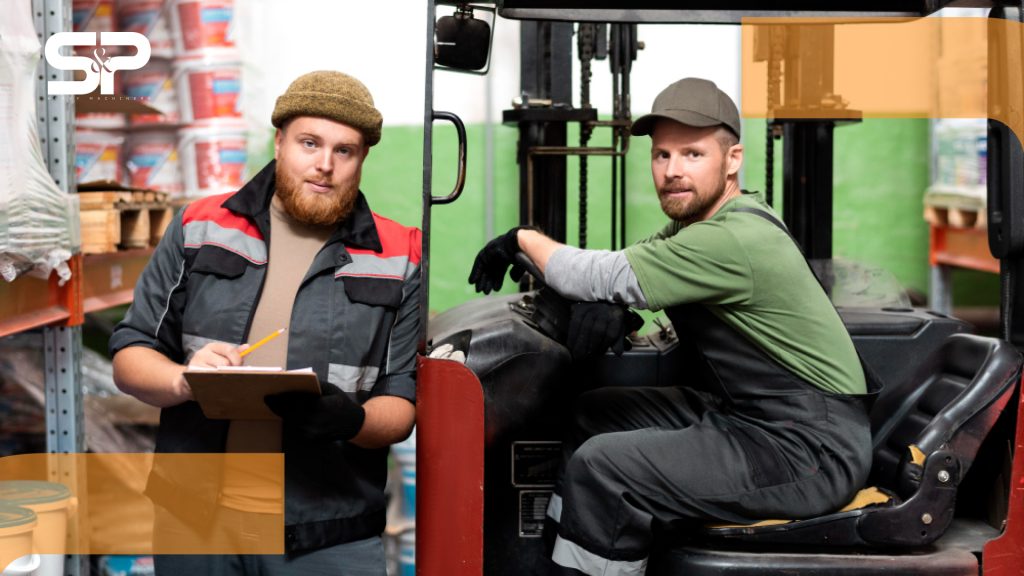
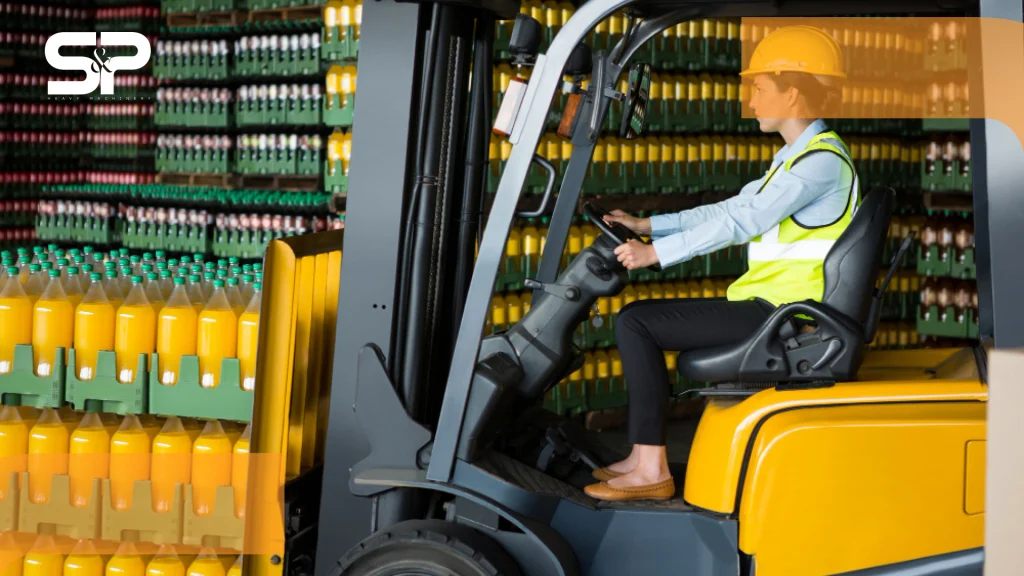
A reliable forklift hugely impacts the way materials move around the site, how teams often work together on projects, and how it all comes together to make businesses grow.
The real world pressure demands you put the right machine in the right place for everything to flow smoothly with fewer mistakes and even fewer stop-start moments. Because putting the wrong one in will have you dealing with delays, safety risks, and a long list of problems that could have been easily avoided. We have watched this play out far too often. Someone picks a forklift that looks fine but fails the moment it enters a tight warehouse or a rough yard.
In this blog post, we discuss how you can succeed in choosing the right forklift for your projects.
Why Are the Forklifts Important in Modern Business Operations?
Forklifts do the heavy lifting for many businesses. They move pallets, load trucks, stock shelves, feed production lines, and keep warehouses organized. Anyone running a construction site, a logistics hub, or a retail warehouse knows how significant a forklift is in shaping your team’s speed and accuracy.
Productivity, Safety & Costs: How Choosing the Wrong Forklift Affects Everything
Your team is forced to work slower, risk injuries, and rack up repair bills you hadn’t planned for, all because you picked the wrong model. A forklift that cannot handle your loads, reach your racks, or smoothly move across your flooring quickly becomes a daily hurdle. That’s why performance and long term reliability should be considered for choosing the right forklift.
Understanding Forklifts & their Role in Business
Protect your inventory, support your team and bring consistency to time and energy draining tasks with a forklift. A good machine will be able to easily handle the weight, height, speed, and stability the cargo demands. That’s what’d make it the best forklift for business needs.
Types of Forklifts & Their Applications
There are different types of forklifts and each of them has a different function. Picking the right category matters a lot.
Counterbalance Forklifts
Counterbalance forklifts are classic. These work well in warehouses, yards, and loading areas and can handle most materials you want the machine to lift. The weight at their back balances the load at the front. This distribution of weight helps with stability.
Reach Trucks
Tall warehouses with narrow aisles are where reach trucks shine, fully in their element. Their slim design and extended reach let your team access racks without bulky turning space.
Pallet Jacks
Pallet jacks take care of low level movement. These work best if you are operating in tight spaces with light loads, and want quick transfers inside shops or small storage rooms. They cost less to run and they move quietly, especially the electric ones.
Rough Terrain Forklifts
Construction sites, outdoor yards, and uneven ground call for machines with muscle. Rough terrain forklifts handle bumps, dust, and slopes without stress. They are tough enough to deal with the heat and outdoor conditions common across the UAE.
Order Pickers
This machine is great if your team picks items directly from shelves. Order pickers lift the operator along with the platform so they can grab items without climbing or stretching.
Electric vs Diesel vs LPG Forklifts
Electric forklifts work well indoors because they produce no fumes and run quietly. Diesel forklifts offer raw power for outdoor work or heavy lifting tasks. LPG forklifts sit in the middle with flexibility for both indoor and outdoor use, depending on ventilation.
Key Factors to Consider When Choosing a Forklift
There are different factors that affect if you are making the right choice. These forklift selection tips will help you match the machine to your actual workload.
Load Capacity
Start with the heaviest load you lift on any ordinary day. Then consider the shape and size of that load. A forklift that lifts too little puts your team at risk. A machine with the right capacity protects your stock and keeps operations smooth.
Lift Height and Reach
Measure your racks, shelves, and loading areas. If your forklift cannot reach the top levels or maneuver in tight aisles, it becomes more burden than benefit. Height and reach shape how efficient your space feels.
Operating Environment
Indoor settings call for quiet, clean machines like electric forklifts. Outdoor yards demand heavy duty builds with strong grip. Hot, dusty conditions need models designed for durability. Match the environment to the machine to avoid unnecessary downtime.
Power Source
Choose a power source based on your workflow. Electric works great for warehouses, especially those running round the clock with charging cycles planned ahead. Diesel is best for heavy outdoor tasks. LPG works for flexible environments and fast refueling cycles.
Maintenance and Operating Costs
Every forklift needs care. Some require more frequent servicing depending on how you use them. Think long term. The right machine helps reduce repair bills and keeps your team working without interruptions.
Safety Features
Look for stability systems, operator visibility, backup alarms, seat belts, and secure controls. A forklift with proper safety features protects your team and your inventory.
Tips for Buying or Renting a Forklift
Once you know what you need, the next step is deciding how to get it.
Assess your business needs first
Write down your daily tasks, load sizes, aisle widths, and work environment. This simple step clears out confusion.
Consult a trusted forklift supplier or dealer
A dependable supplier saves you time and avoids costly mistakes. When clients talk to us, we walk them through real use cases and share what works best across similar industries.
Consider renting for short term or seasonal needs
Renting makes sense when your workload fluctuates or when you need a machine temporarily. You get access to reliable equipment without long term commitment. Our rental fleet across the UAE is for this exact purpose, giving you flexibility without pressure.
Conclusion
Choosing the right forklift supports your workflow, protects your team, and keeps your operations running with fewer surprises. You now know how to choose a forklift, what to look for, and how these machines influence everything from safety to productivity.
If you want a machine that fits your operations, get in touch with SP Heavy Rental. We help businesses across the UAE pick forklifts that match their workload, space, and long term goals. Reach out and let us guide you on the best forklift for your business needs.
FAQs:
What factors should I consider when choosing a forklift for my business?
Look at the load size, lift height, aisle space, environment, and how often the machine will run. Match these to the forklift type so you get smooth movement, better safety, and fewer delays.
Which type of forklift is best for warehouse operations?
Reach trucks and electric counterbalance forklifts often work best. They move well in tight aisles and allow clean, quiet operation indoors.
What is the difference between electric, diesel, and LPG forklifts?
Electric models work quietly and cleanly indoors. Diesel models bring power for outdoor work or heavy loads. LPG models offer quick refueling and work well in mixed environments with proper ventilation.
How long does a forklift typically last?
A well maintained forklift stays reliable for many years, depending on usage, environment, and upkeep. Regular servicing keeps it strong and extends its lifespan.